An Honest Guide to Paris for First Timers
By The Planary Team · · 6 min read
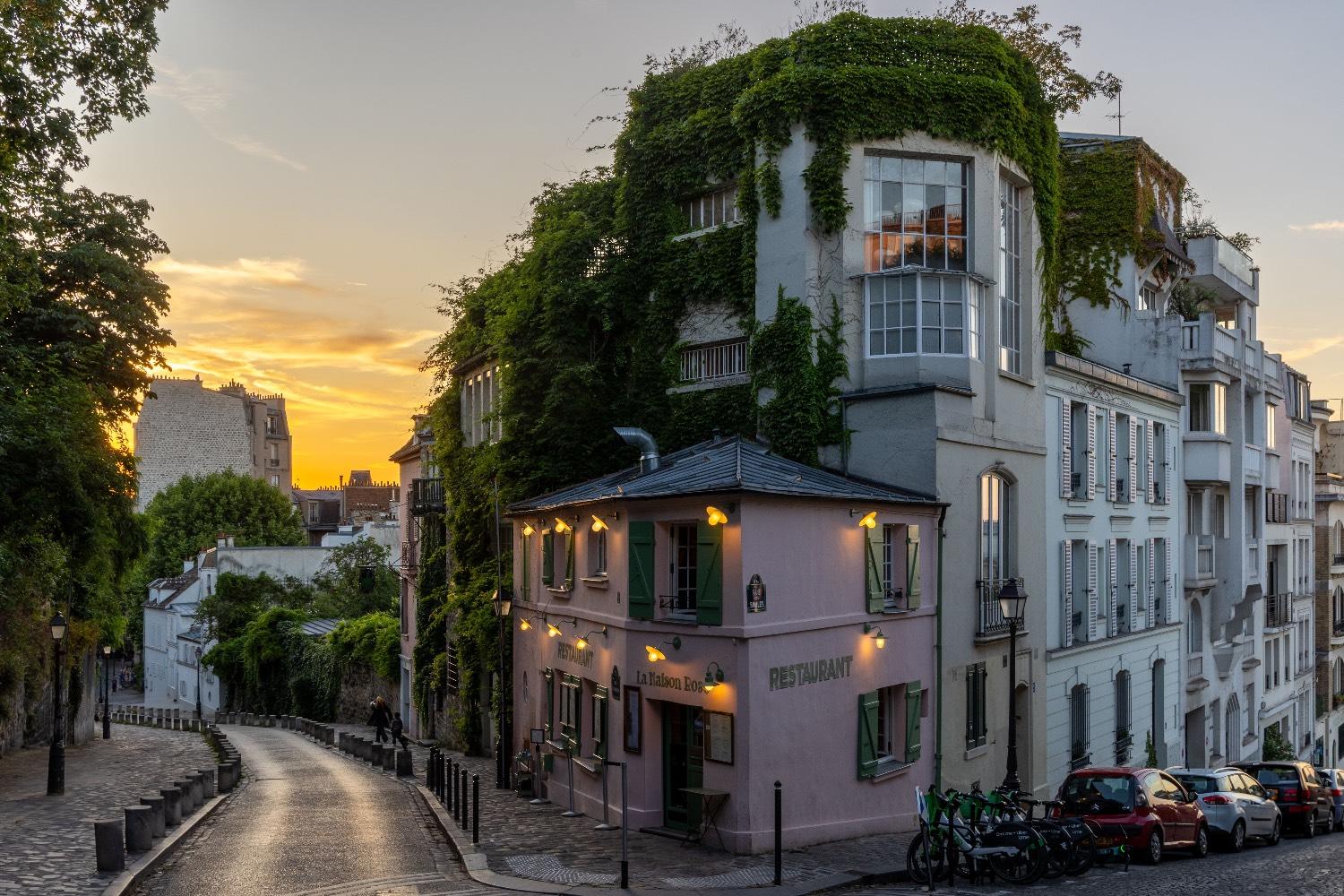
Paris is extraordinary. It is also full of tourist traps, overpriced cafes, and advice written by people who went once in 2018. Here is the real version.
Paris has a mythology problem. Decades of films, novels, and travel writing have stacked so many expectations onto a single city that first timers often arrive braced for disappointment, or worse, convinced they are having the time of their lives when they are actually just standing in a queue for a restaurant they found on an out of date blog.
This guide is not that. It is a practical guide for people who have limited time and do not want to waste it.
What Paris Actually Gets Right
Before the reality check: Paris is genuinely one of the great cities. The architecture is extraordinary in a way that photographs do not quite capture until you are standing inside it. The food culture, when you find the right version of it, is unlike anywhere else. The museums are world class. The neighborhoods each have a distinct personality that rewards wandering. If you approach it correctly, it delivers.
The problem is not Paris. The problem is the layer of tourist infrastructure that has grown up around it, and the tendency of visitors to mistake that infrastructure for the city itself.
Where to Stay
Le Marais (3rd and 4th arrondissement)
The most consistently recommended neighborhood for first timers, and the recommendation holds. Central, walkable, beautiful, with excellent food options and easy access to major sights. It also has a genuinely lively atmosphere in the evenings rather than shutting down at 9pm like parts of the 1st and 2nd.
Saint Germain des Pres (6th arrondissement)
Classic and beautiful. More expensive than the Marais and slightly less lively, but the aesthetic is exactly what people imagine when they imagine Paris. Excellent access to the Luxembourg Gardens. Good if you want to feel like you are living in a film set.
Montmartre (18th arrondissement)
Genuinely charming if you stay on the quieter residential streets rather than right at Sacre Coeur where the tourist density becomes overwhelming. The views are excellent. The hill is real and steep and worth knowing about before you book.
Avoid: Hotels directly adjacent to the Eiffel Tower unless the view is non-negotiable for you. The 15th and 7th arrondissements in that area are not particularly interesting neighborhoods to actually live in, and you will pay a premium for proximity to a landmark you can see from most of the city anyway.
The Eiffel Tower Question
Yes, you should see it. No, you probably do not need to go up it. The view from the top is good but the view of Paris from the Trocadero gardens across the river, with the tower in front of you, is the image you are actually looking for. It is free, it takes fifteen minutes, and it is one of the most genuinely moving things you can do in the city.
If you do want to go up, book tickets online weeks in advance. The queue without tickets is long enough to ruin a day. The second floor is the sweet spot. The top floor is genuinely crowded and the incremental height gain is not worth it for most people.
The Louvre Question
The Louvre is one of the greatest museums in the world and it is also genuinely exhausting to visit without a plan. It is enormous in a way that is hard to communicate. Most people see a fraction of it, spend three hours on their feet, and leave slightly overwhelmed.
Book tickets online. Go first thing in the morning on a Tuesday or Wednesday. Decide in advance what you actually want to see and make that the priority. The Denon Wing contains the Mona Lisa, the Venus de Milo, and the Winged Victory of Samothrace. If you see nothing else, see those three things and then go have a very good lunch.
The Musee d'Orsay, across the river, is arguably a better single visit for most people. It is smaller, more navigable, and the Impressionist collection is extraordinary.
Where to Actually Eat
The cafes directly on the main tourist circuits, near Notre Dame, around the Eiffel Tower, on the Champs Elysees, are almost universally poor value. They exist to serve people who will never come back. You can identify them by the laminated picture menus and the host standing outside trying to pull you in.
The better version of Paris food is one street back. Wander one block away from any major tourist sight and the quality improves immediately. Look for places with handwritten menus, no host outside, and locals actually eating there.
For breakfast: Any bakery (boulangerie) for a croissant and a coffee. This is not a tourist activity. It is how Parisians actually start their day and it costs about three euros and it is excellent every single time.
For lunch: Look for the plat du jour. Most proper French restaurants offer a set lunch menu (usually a two or three course option) that gives you significantly better food than the dinner price would suggest. This is a reliable way to eat well without spending a fortune.
For dinner: Book in advance for anywhere you actually want to go. Paris restaurants at the level worth visiting fill up. Walk ins at 8pm on a Saturday will leave you eating somewhere you settled for.
What to Skip on a First Visit
- The Champs Elysees for anything other than a walk. The shops are all chains you have at home. The restaurants are overpriced. The experience is Times Square with better architecture.
- The catacombs if you are on a tight schedule. Genuinely interesting but the queue is long and it takes half a day you could spend above ground.
- Hop on hop off buses. The Metro is excellent, cheap, and will take you everywhere these buses go, faster and for a fraction of the cost.
- Buying wine at any shop near a tourist sight. Walk five minutes in any direction and the same bottle costs half as much.
What Not to Miss
- The Seine at night. Walk along it. It is free and it is one of the most beautiful things the city offers.
- Sainte Chapelle. Chronically undervisited relative to Notre Dame, around the corner, and the stained glass is one of the genuine wonders of medieval art.
- A Sunday morning in the Luxembourg Gardens. The city is quieter, the light is extraordinary, and you will see Paris as people who live there actually experience it.
- A market. The Marche d'Aligre in the 12th on a Saturday morning is the real thing. Pick up cheese, bread, and charcuterie and have a picnic somewhere along the river.
Getting Around
The Metro is excellent and you should use it. Buy a carnet (a book of ten tickets) or load a Navigo Easy card and tap in and out. The system covers everywhere you need to go. Taxis from the airport are fixed rate and worth taking if you have luggage. For everything else, the Metro is faster than any car during the day.
Paris is also an extremely walkable city and many of the best things happen between destinations rather than at them. If two points on your map are within thirty minutes of each other on foot, consider walking.
A Note on the Language
The Parisian reputation for coldness toward non French speakers is largely a thing of the past, particularly for younger Parisians, but a small amount of effort goes a long way. Learn to say bonjour when you enter anywhere and merci when you leave. Lead with those two words before switching to English and the experience of navigating the city changes noticeably.
Planary tip: Paris is one of our most requested destinations and also the one where itinerary planning makes the biggest difference. The gap between a first timer's Paris and a well planned Paris is significant. Tell us your dates, who you are traveling with, and what matters most to you, and we will build the version that actually delivers.