Everything Nobody Tells You About Traveling in Japan
By The Planary Team · · 5 min read
Japan is one of the most extraordinary travel destinations on earth. It is also nothing like what most guides prepare you for.
Most Japan travel content falls into one of two categories: breathless superlatives about cherry blossoms and vending machines, or logistical deep dives about IC cards and bullet train passes that read like they were written by someone who has never actually gotten on a train and just improvised. Neither version prepares you for what Japan is actually like to move through as a traveler.
Here is the version nobody tells you.
Japan is the Easiest Difficult Country in the World
The combination of minimal English signage outside major tourist areas, a complex transit system, and a culture with its own deep logic around social behavior sounds intimidating. In practice, Japan is one of the most manageable countries in the world to travel in. The trains run exactly on time and are clearly signed with English romanization at every station that matters. People will go out of their way to help you even when they cannot communicate in English. Crime is genuinely rare. Getting lost is pleasant because the streets are safe and interesting.
The difficulty is front loaded in the planning. Once you are there, it is easier than most Western European cities.
The Food Will Change Your Reference Points
Every traveler comes back from Japan saying the food changed them and they are all correct and none of them adequately prepared you for it. The ramen bears no resemblance to what you have had elsewhere. The conveyor belt sushi at a mid level Tokyo chain is better than what passes for high end in most American cities. The convenience store food, the Family Mart egg salad sandwich, the Lawson's onigiri, is genuinely good in a way that defies what you know convenience stores to be.
The specific thing nobody tells you is that Japanese food culture rewards eating alone and at the counter. Some of the best meals you will have are at eight seat ramen shops where you order from a vending machine, sit at a counter, and eat in comfortable silence. Embrace this entirely.
Tokyo is Not One City, It is Many
Shinjuku is the overwhelming version of Tokyo, the one that looks like the movies, with neon and crowds and Kabukicho and Golden Gai tucked behind it. Go once, eat in a tiny bar in Golden Gai, and then use it as a transit hub.
Shimokitazawa is where people who live in Tokyo actually go on weekends. Vintage shops, small live music venues, good coffee, and a neighborhood feel that is nothing like the Tokyo most tourists see. Spend a Sunday afternoon here.
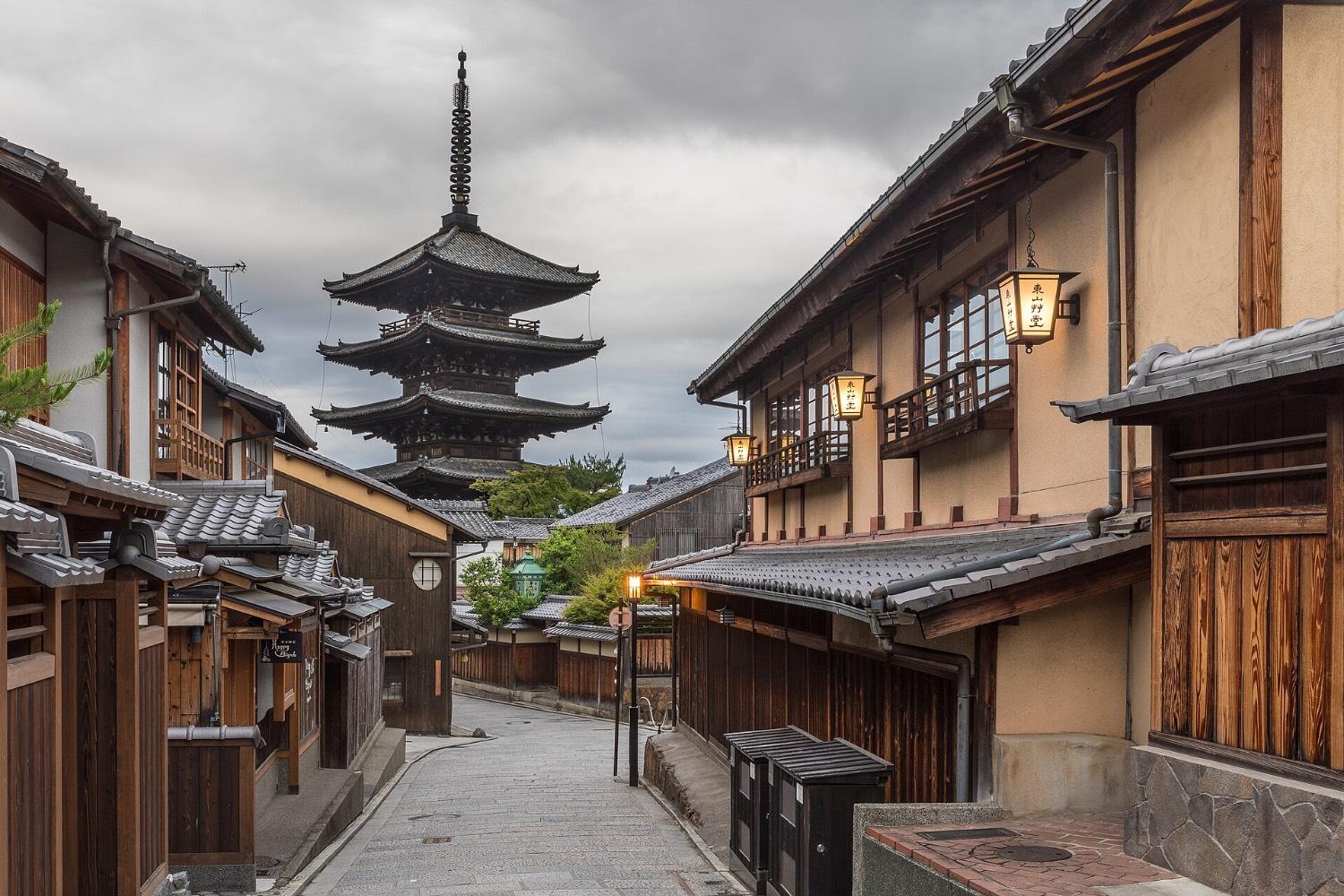
Yanaka is what Tokyo looked like before it was rebuilt after the war, a low rise neighborhood of wooden buildings and small temples and shops that have been in the same family for generations. It is extraordinary and almost nobody goes there.
Daikanyama is where the Tsutaya bookstore complex is, the most beautiful bookstore most people will ever enter. It is also an excellent neighborhood for coffee and lunch and wandering without an agenda.
Kyoto Requires a Strategy
Kyoto is genuinely one of the great cities and it is also genuinely overcrowded in peak season. The Fushimi Inari torii gates, the bamboo grove in Arashiyama, the geisha district of Gion: all of them are extraordinary and all of them are extremely crowded between 9am and 5pm from March through November.
The strategy is simple and almost nobody follows it. Go early. Fushimi Inari at 6am is a completely different experience from Fushimi Inari at 11am. The bamboo grove at sunrise is what the photographs show. By 10am it is shoulder to shoulder. Wake up early and you get the Kyoto that justified coming to Japan.
The Onsen Is Non Negotiable
You need to go to an onsen. This is not optional. A traditional Japanese hot spring bath, usually in a ryokan that is also serving you an extraordinary multi course kaiseki dinner, is one of the travel experiences that has no equivalent elsewhere and that travelers consistently identify as the thing they most want to return for. Hakone, an hour from Tokyo, is the easiest access point. Kinosaki Onsen, on the Japan Sea coast, is worth the extra journey.
The bathing is communal and nude and governed by clear rules: shower thoroughly before entering, no tattoos in most traditional establishments, no phones, no swimwear. Follow the rules and it is one of the more peaceful hours you will spend anywhere.
What Nobody Tells You About the Pace
Japan rewards slowing down in a way that conflicts with how most people plan it. The instinct is to see Tokyo, Kyoto, Osaka, Hiroshima, Nara, and Hakone in ten days. That itinerary is exhausting and you will spend most of it on trains between places rather than in them. Two weeks is the minimum for doing Japan justice. Three weeks lets you actually settle into somewhere.
The places that are not on the standard circuit, the Noto Peninsula, Kanazawa, Yakushima island, the Tohoku region, are where Japan reveals itself most completely. But you only get there if you plan for more time than feels reasonable.
Cash Is Still King
Japan is more cashless than it was five years ago but it is still a country where you need cash. Many small restaurants, local shops, and temples accept nothing else. Get cash from a 7Eleven ATM when you land. They accept foreign cards reliably where many Japanese bank ATMs do not. Keep a few thousand yen in your wallet at all times.
The Thing About the Silence
Japanese culture has a different relationship to silence than most Western countries. Conversations on trains are conducted at a volume that makes them nearly inaudible. Phone calls are taken outside. The quiet is not unfriendly. It is a form of consideration for everyone sharing the same space. Calibrate to it within your first day and it becomes one of the most restorative things about being there.
Planary tip: Japan is the destination where itinerary planning makes the biggest difference. The gap between a poorly planned Japan trip and a well planned one is enormous. Tell us how long you have and what matters most to you and we will build the version that delivers.